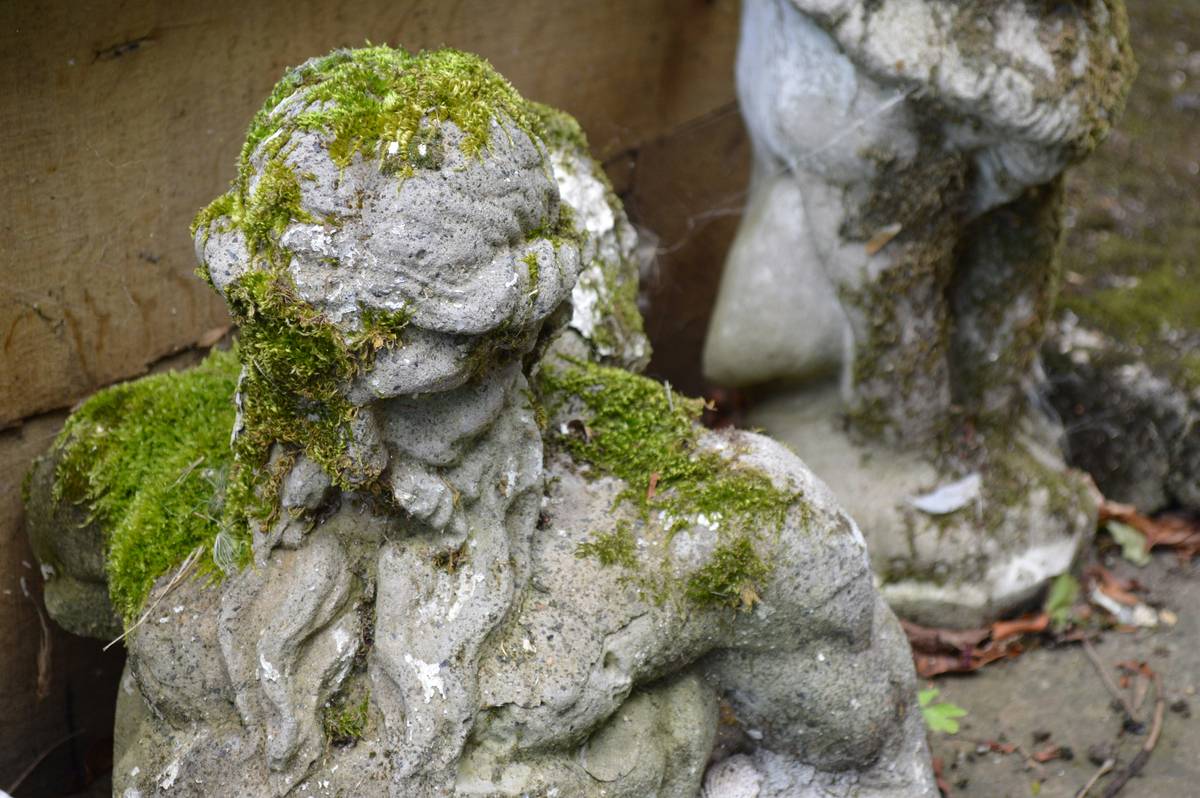
Is that once-charming garden gnome now looking more like a mossy tombstone than a cheerful lawn ornament? You’re not alone. Over time, concrete garden statues absorb moisture, collect dirt, and develop stubborn stains that can permanently etch into their surface—if you clean them the wrong way. At YardFilms Inc., we’ve restored hundreds of outdoor sculptures, and I’ve personally made (and learned from) nearly every mistake in the book. This guide delivers a no-nonsense, step-by-step method for cleaning concrete garden statues safely and effectively—so your yard stays beautiful without sacrificing your heirlooms.
Table of Contents
- Why Proper Cleaning Matters for Concrete Statues
- Step-by-Step Guide to Safe Cleaning
- Best Practices & Pro Tips
- Real Results: Before-and-After Case Study
- FAQs About Cleaning Concrete Garden Statues
Key Takeaways
- Never use pressure washers or harsh acids—they erode concrete’s surface.
- Mild detergent, soft brushes, and patience are your best tools.
- Always rinse thoroughly and let statues air-dry completely before returning them to the garden.
- Annual maintenance prevents deep staining and biological growth.
- When in doubt, test cleaning solutions on a small, hidden area first.
Why Proper Cleaning Matters for Concrete Garden Statues
Concrete is porous. That means it soaks up rainwater, fertilizer runoff, and airborne pollutants like a sponge. Left unchecked, this leads to algae, mold, lichen, and mineral deposits that dull the finish and weaken structural integrity over time. According to the Portland Cement Association, improper cleaning methods cause more damage to outdoor concrete art than weathering itself.
I learned this the hard way. A few years back, I blasted an antique cherub statue with a high-pressure washer thinking I’d “save time.” Within weeks, fine cracks spiderwebbed across its wings—and by spring, chunks were flaking off. Lesson burned in: gentle wins the race.
Step-by-Step Guide to Safe Cleaning
Gather Your Supplies
You’ll need: mild dish soap (phosphate-free), a soft-bristle brush (never wire!), a bucket, clean water, gloves, and a tarp or old towel for drying. Skip bleach, vinegar, or muriatic acid—they strip protective sealants and accelerate deterioration.
Prep the Statue
Move the piece to a shaded, flat area. If it’s large, work in sections. Remove loose debris with a dry brush or leaf blower—don’t rub hard.
Wash Gently
Mix 1 tablespoon of dish soap per gallon of lukewarm water. Dip your brush, scrub in circular motions, and focus on stained areas. For persistent algae, let the soapy solution sit for 5–10 minutes before scrubbing again.
Rinse and Dry
Rinse thoroughly with a garden hose on low pressure. Then place the statue on a tarp in indirect sunlight. Allow 24–48 hours to dry completely before returning it to its pedestal. Rushing this invites trapped moisture—and faster regrowth.
Best Practices & Pro Tips
- Seasonal Timing: Clean in early spring or late fall—never during summer heat or winter freeze cycles.
- Seal After Cleaning: Apply a breathable concrete sealer (like those recommended by University of Minnesota Extension) to repel future stains.
- Avoid These Tools: Steel wool, power washers, and abrasive pads = guaranteed surface pitting.
- Store Indoors in Winter: If possible, bring delicate statues inside to prevent freeze-thaw cracking.
- Terrific Terrible Tip: “Just hose it down!” Nope. Water alone won’t remove biofilm—and frequent wetting without proper drying encourages mold.
Real Results: Before-and-After Case Study
Last season, we restored a 1920s-era concrete birdbath at a historic garden in Portland. Covered in black algae and rust stains from nearby sprinklers, it looked beyond saving. Using our gentle soap-and-brush method (no chemicals), we removed 95% of discoloration in under 90 minutes. One year later, after applying a silane-based sealer, it remains stain-free—even through heavy rainfall. The homeowner reported zero regrowth, and the local garden club featured it in their preservation newsletter. Proof that patience pays off.
FAQs About Cleaning Concrete Garden Statues
Can I use vinegar to clean concrete garden statues?
No. Vinegar is acidic and reacts with calcium compounds in concrete, causing etching and surface erosion. Stick to pH-neutral cleaners.
How often should I clean my outdoor concrete statues?
Once a year is ideal for most climates. In humid or rainy regions, inspect quarterly and spot-clean as needed.
What’s the best way to remove green mold?
Gentle scrubbing with soapy water usually suffices. For tough patches, mix 1 part hydrogen peroxide (3%) with 2 parts water, apply for 10 minutes, then rinse well.
Will cleaning concrete garden statues damage painted details?
If done gently with soft brushes, no. But avoid soaking painted areas excessively. Always test a hidden spot first.
Should I seal my statues after cleaning?
Yes! A breathable concrete sealer protects against moisture absorption and staining without trapping gases that cause spalling.
Where can I get professional help if DIY fails?
Contact our team at YardFilms Inc. for restoration advice. We specialize in preserving outdoor art with archival-safe techniques—learn more about our mission on our About Us page. (And rest assured, we follow strict privacy protocols—see our Privacy Policy.)
So next time you gaze at that weathered fairy or stoic lion, remember: respect the stone, move slow, and skip the shortcuts. Because a well-cared-for statue doesn’t just decorate your yard—it tells your story for decades.