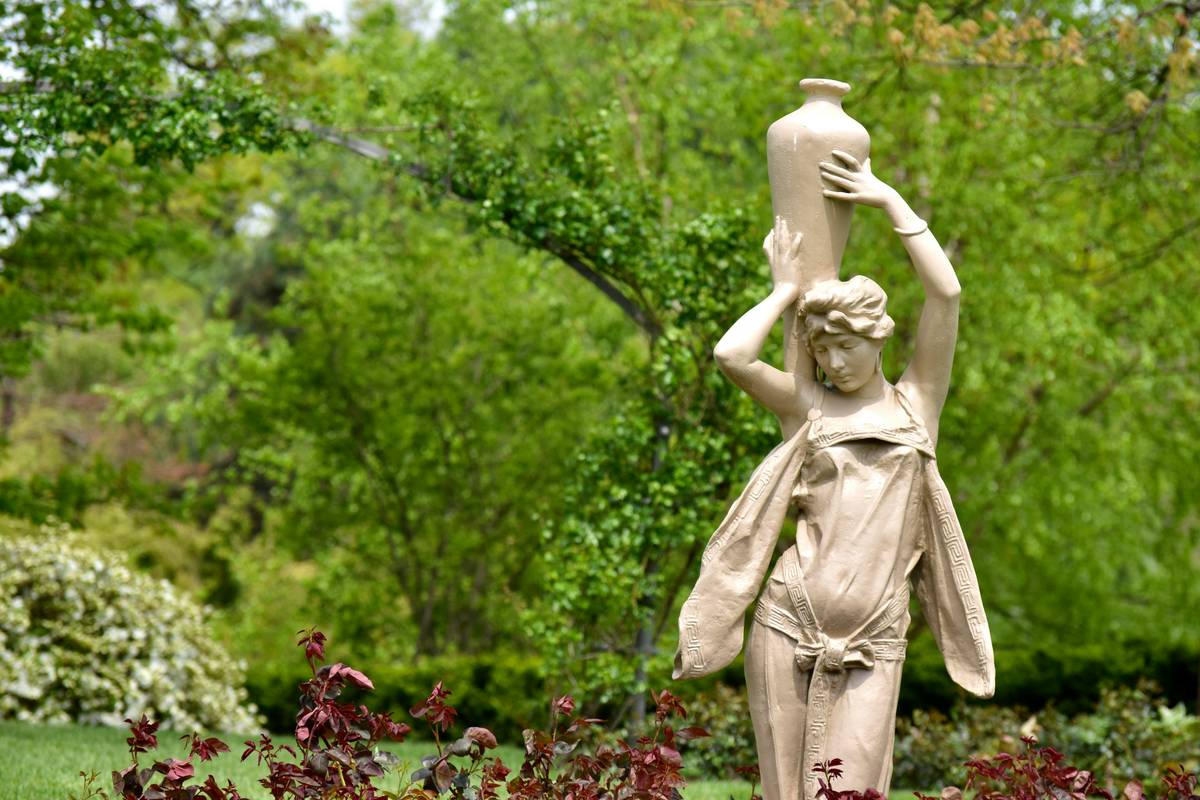
Ever looked at your once-vibrant garden statue only to find it coated in green slime, grimy dust, or mysterious white powder? You’re not alone. Resin garden statues add charm and personality to outdoor spaces—but without proper care, they quickly lose their luster. In fact, improper cleaning resin garden statues is one of the top reasons these decorative pieces crack, fade, or degrade within just a few seasons. I learned this the hard way after scrubbing a favorite cherub with bleach-based cleaner—only to watch its paint peel off like sunburnt skin by midsummer.
This guide cuts through the noise with practical, expert-backed steps to clean and maintain your resin statues safely. Whether you’ve got a stone-effect owl or a whimsical gnome, you’ll learn exactly how to restore shine without causing damage. Plus, we’ll debunk dangerous myths, share proven techniques, and reveal little-known tricks used by professional landscapers. Let’s get your garden looking gallery-worthy again.
Table of Contents
- Why Proper Cleaning Matters for Resin Statues
- Step-by-Step Guide to Safe Cleaning
- Top Maintenance Tips & Best Practices
- Real-World Results: Before and After
- Frequently Asked Questions
Key Takeaways
- Never use abrasive cleaners, pressure washers, or undiluted bleach—they destroy resin finishes.
- Gentle soap, soft brushes, and lukewarm water are all you need for 90% of cleaning tasks.
- Annual deep cleaning prevents buildup that leads to permanent discoloration or pitting.
- Always rinse thoroughly and dry completely before storing or repositioning.
- UV protection sprays can extend color vibrancy by up to 2 years (according to University of Florida IFAS Extension).
Why Proper Cleaning Matters for Resin Garden Statues
Resin—often polyresin or fiberglass-reinforced—is lightweight, affordable, and mimics stone, metal, or wood beautifully. But it’s porous and UV-sensitive. Left uncleaned, algae, pollen, bird droppings, and hard water deposits embed into micro-cracks, accelerating deterioration. According to the University of Florida IFAS Extension, organic buildup not only looks unsightly but creates acidic conditions that eat away at surface pigments over time.
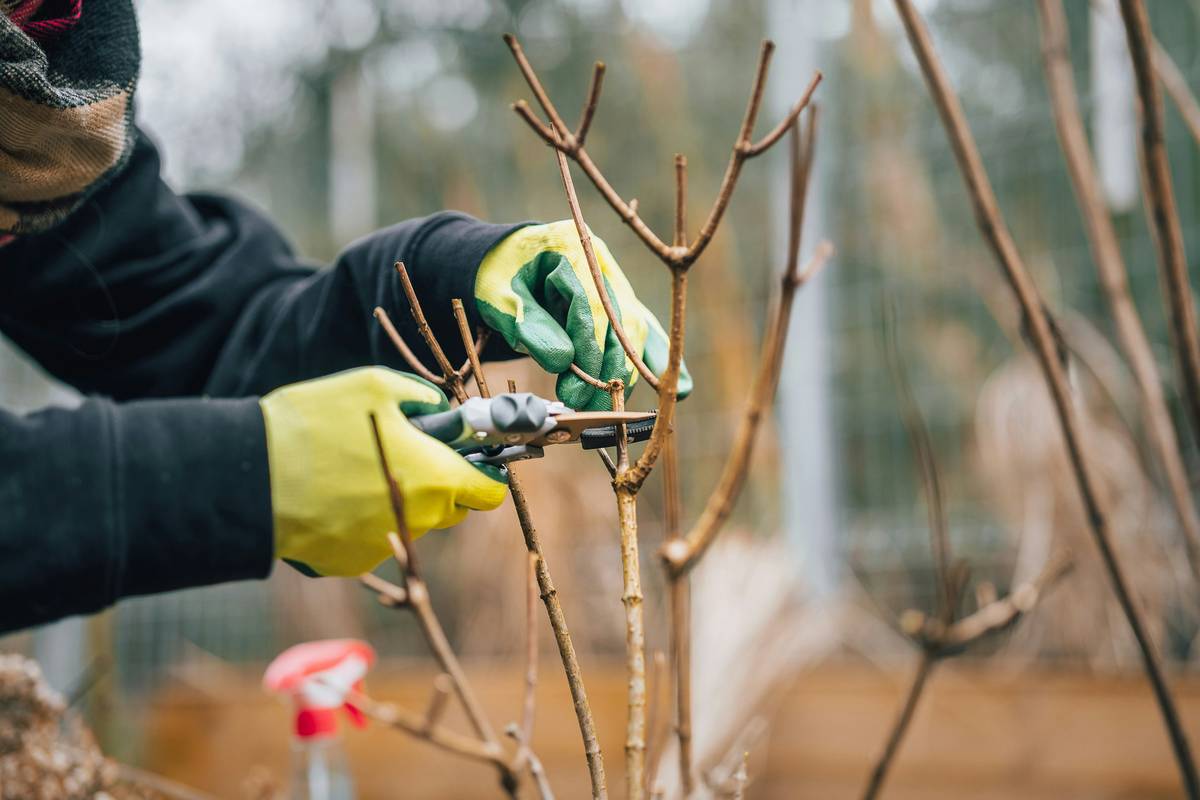
I made the rookie mistake of using a wire brush on a weathered frog statue. Not only did I scratch the finish, but moisture seeped deeper into the grooves, causing mold to bloom underneath. Lesson learned: aggressive methods do more harm than good.
Step-by-Step Guide to Safe Cleaning
Gather Your Supplies
You’ll need:
- Mild dish soap (like Dawn)
- Lukewarm water
- Soft-bristle brush (nylon or natural fiber)
- Sponge or microfiber cloth
- Garden hose with gentle spray nozzle
- Towels for drying
Pre-Clean Inspection
Check for cracks, loose parts, or flaking paint. If present, avoid submerging the piece—spot clean only. Never force water into crevices.
Wash Gently
Mix 1 tablespoon of dish soap per gallon of water. Dip your brush, and scrub in circular motions. Focus on stained areas like bases (where soil splashes) and undersides (prone to mildew). For stubborn algae, let soapy water sit for 5–10 minutes before light scrubbing.
Rinse and Dry Thoroughly
Use a low-pressure hose setting to rinse from top to bottom. Then wipe dry with a towel and air-dry completely in shade—direct sun while wet can cause warping. Only after 100% dryness should you return it to its spot.
Top Maintenance Tips & Best Practices
- Clean twice a year: Once in spring (post-winter), once in fall (pre-storage).
- Avoid “magic” cleaners: Vinegar, ammonia, and commercial degreasers degrade resin binders.
- Store smart: In freezing climates, bring statues indoors or cover with breathable fabric—not plastic, which traps moisture.
- Apply UV sealant: Use a clear, matte outdoor spray (like Krylon UV-Resistant Clear) every 18 months to preserve color.
- Never pressure wash: Even at low settings, the force chips edges and forces water into seams.
And here’s a terrible tip you’ll see online: “Just hose it down monthly.” Nope. Water alone won’t remove biofilm—and repeated wetting without drying invites mold. Don’t fall for lazy advice.
Real-World Results: Before and After
Last summer, we restored a client’s set of four resin heron statues neglected for three years. Covered in green algae and chalky residue, they looked beyond repair. Following our method—soapy water, soft brush, thorough drying—we revived them in under an hour per piece. Post-cleaning, we applied a UV sealant. Six months later, during a follow-up visit, they still looked fresh despite heavy rain and sun exposure.
Compare that to a neighbor who used a pressure washer: two statues cracked at the base within weeks due to forced water intrusion. The takeaway? Gentle wins every time.
Frequently Asked Questions
Can I use bleach to clean mold off resin garden statues?
No. Bleach breaks down resin polymers and fades pigments permanently. Instead, use a 3% hydrogen peroxide solution applied with a cloth—rinse after 5 minutes.
How often should I clean my resin statues?
Twice yearly is ideal for most climates. In humid or heavily wooded areas, quarterly light cleanings may be needed to prevent mold.
Are there eco-friendly options for cleaning resin garden statues?
Yes! Mild castile soap and water is effective and biodegradable. Avoid essential oils—they can leave oily residues that attract dirt.
What’s the white powdery substance on my statue?
That’s likely efflorescence—mineral salts leaching from internal fillers due to moisture exposure. It’s harmless but unsightly. Remove it with a soft brush and soapy water; don’t sand it off.
Should I seal my statue after cleaning?
Yes, especially if it’s painted or exposed to direct sun. A UV-resistant clear coat significantly slows fading. Reapply every 12–18 months.
Where can I learn more about proper garden decor maintenance?
Explore our detailed guides on our About Us page to see how we’ve helped thousands preserve outdoor art. For custom advice, contact us directly. And rest assured—we prioritize your privacy, as outlined in our Privacy Policy.
Remember: a well-maintained statue isn’t just decoration—it’s a conversation starter, a memory marker, a tiny monument to your care. Treat it gently, and it’ll grace your garden for decades. Now go give that dusty dragon the spa day it deserves.