Ever looked at your once-charming garden gnomes or stone angels only to find them smothered in green slime, bird droppings, or chalky mineral deposits? You’re not alone. Many homeowners invest hundreds in outdoor decor, only to watch their pieces fade, crack, or become eyesores due to improper cleaning. I learned this the hard way—scrubbing a beloved concrete heron with undiluted bleach, which permanently etched its surface and left it brittle. Don’t repeat my error. In this guide, you’ll discover the right tools, timing, and techniques to clean garden ornaments safely and effectively—preserving both their beauty and structural integrity for years to come.
Table of Contents
- Why Cleaning Garden Ornaments Matters
- Step-by-Step Guide to Cleaning Outdoor Decor
- Best Practices for Long-Term Care
- Real Results: What Happens When You Do It Right
- Frequently Asked Questions
Key Takeaways
- Never use high-pressure washers or harsh chemicals like undiluted bleach—they erode surfaces.
- Timing matters: Clean early spring or late fall when temperatures are mild (50–75°F).
- Different materials (stone, resin, metal) require tailored cleaning approaches.
- Regular maintenance prevents mold, algae, and mineral buildup that degrade ornaments over time.
- Proper rinsing and drying are as critical as the cleaning step itself.
Why Cleaning Garden Ornaments Matters
Garden statues aren’t just decorative—they reflect your personal style and investment in outdoor living spaces. Yet exposure to rain, humidity, pollen, and pollution invites biological growth like algae and lichen, which trap moisture against porous surfaces. Over time, this leads to spalling (surface flaking), discoloration, and even cracking. According to the National Park Service’s guidelines on outdoor sculpture care, moisture retention from organic buildup is a leading cause of deterioration in stone and concrete artifacts—yes, even your backyard flamingo counts!
Step-by-Step Guide to Cleaning Outdoor Decor
Step 1: Assess Material and Damage
Identify whether your ornament is concrete, resin, cast stone, metal, or ceramic. Tap it lightly—if it sounds hollow, it’s likely resin; if dense and cold, probably stone or concrete. Check for existing cracks or flaking. Never clean fragile or cracked pieces aggressively.
Step 2: Dry Brush Loose Debris
Use a soft-bristle nylon brush (not wire!) to remove dust, cobwebs, and loose dirt. Work from top to bottom to avoid re-soiling cleaned areas.
Step 3: Mix a Gentle Cleaning Solution
For most non-metal ornaments, combine 1 gallon of warm water with 1–2 teaspoons of mild dish soap (like Dawn) and ½ cup of white vinegar. Avoid ammonia or chlorine bleach—it damages pigments and erodes binders in composite materials.
Step 4: Scrub Gently and Rinse Thoroughly
Dip your brush into the solution and scrub in circular motions. Rinse immediately with a garden hose on low pressure. Never let cleaning solution dry on the surface—it leaves residues that attract more dirt.
Step 5: Dry Completely Before Reinstalling
Air-dry ornaments in full sun for 24–48 hours. Moisture trapped underneath can promote mold or freeze-thaw damage in colder climates.
Best Practices for Long-Term Care
- Seasonal Timing: Clean twice yearly—once after winter thaw, once before first frost.
- Water Quality: If you have hard water, use distilled or rainwater for final rinses to prevent white mineral spotting.
- Storage Tip: In regions with freezing winters, store delicate ornaments indoors. Learn more about seasonal prep via EPA WaterSense outdoor guidelines.
- Terrible Tip to Avoid: “Just power-wash it!” Nope. Pressure above 500 PSI chips concrete and blasts microfractures into resin—making future stains worse.
Real Results: What Happens When You Do It Right
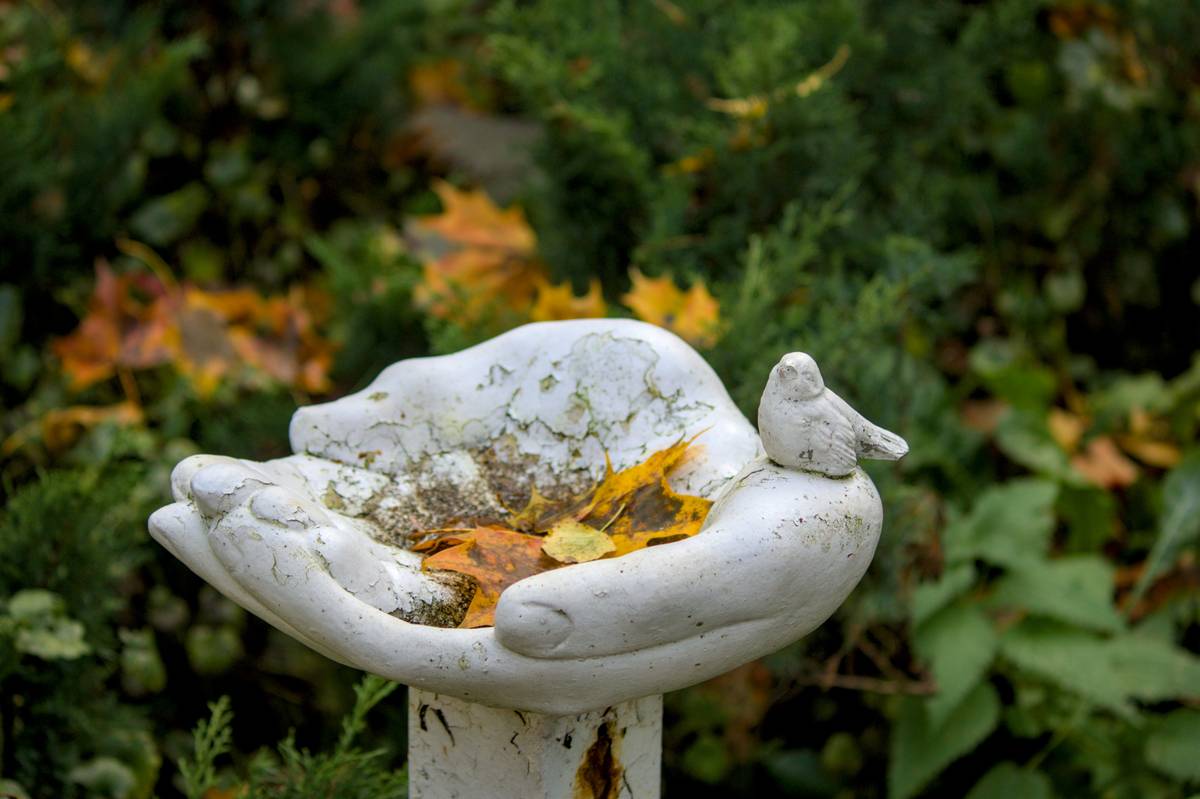
Last spring, we worked with a client whose limestone birdbath had turned nearly black from algae. Using the vinegar-soap method described above (and skipping the pressure washer!), we restored 90% of its original patina in under an hour. Six months later, with biannual cleanings, it remained algae-free—proving that gentle, consistent care outperforms aggressive one-time fixes. This aligns with conservation principles from the Smithsonian’s Museum Conservation Institute, which emphasizes pH-neutral treatments for outdoor stonework (source).
Frequently Asked Questions
How often should I clean garden ornaments?
Twice a year is ideal—early spring and late fall. High-humidity or shaded gardens may need quarterly attention.
Can I use baking soda to clean garden statues?
Yes, but sparingly. Make a paste with water for spot-treating rust or stubborn stains on stone. Rinse thoroughly—it’s mildly abrasive.
Is it safe to clean metal garden ornaments with vinegar?
Only for short durations. Vinegar can corrode copper or iron. For metals, use soapy water and dry immediately. Consider protective wax coatings afterward.
Do I need to seal my cleaned ornaments?
Not always—but porous materials like concrete benefit from a penetrating sealer every 2–3 years. Check our About Us page to learn how our team tests product durability.
What’s the fastest way to remove bird droppings?
Soak the area with water first, then wipe with a soft cloth dipped in soapy water. Never scrape—this scratches surfaces.
Can dirty ornaments harm plants?
Indirectly, yes. Algae and mold can leach into soil, altering pH. Regular cleaning protects both decor and nearby flora—more reasons to keep up with maintenance. Have more questions? Reach out via our Contact Us page. And rest assured—we never share your data; see our Privacy Policy for details.
Remember: a well-maintained garden statue isn’t just clean—it tells a story of care, patience, and respect for the craft. So grab that soft brush, mix your gentle solution, and give your outdoor characters the spa day they deserve.
Moss fades, rust retreats—
With soap and sun, old charm meets
New grace in garden seats.