Ever spent a weekend hauling home a gorgeous garden statue—only to watch it crack, fade, or tip over by July? You’re not alone. Many homeowners treat garden statues as simple decor, but their material, placement, and maintenance directly impact your way to grow gardens that thrive year-round. At Yard Films Inc., we’ve tested dozens of materials across Midwest seasons and learned the hard way what works (and what turns into backyard rubble). This guide cuts through the fluff with actionable insights on choosing, placing, and preserving statues so they enhance—not hinder—your outdoor sanctuary.
Table of Contents
- Why Statue Materials Make or Break Your Garden
- Step-by-Step Guide to Choosing the Right Statue Material
- 5 Best Practices for Long-Lasting Garden Statues
- Real-World Results: What Works in Humid & Freeze-Thaw Climates
- FAQs About Garden Statues and Garden Growth
Key Takeaways
- Resin and concrete dominate budget-friendly options but differ wildly in frost resistance.
- Statue weight affects soil compaction—lighter pieces may disrupt root zones if improperly anchored.
- Avoid metal statues near acid-loving plants; runoff can alter soil pH.
- Your way to grow gardens successfully includes planning statue placement during soil prep—not after planting.
Why Statue Materials Make or Break Your Garden
Garden statues aren’t just art—they interact with your ecosystem. I once installed a beautiful cast-iron heron beside my hydrangeas, thrilled by its vintage charm. By spring, rust stains leached into the soil, turning my blue blooms pinkish-brown. Worse, the heavy base compacted the soil, stunting root growth. That mistake cost me two seasons of recovery. According to the USDA Natural Resources Conservation Service, improper hardscaping—including poorly placed ornaments—can reduce plant vigor by up to 30% due to altered drainage and root space.
Step-by-Step Guide to Choosing the Right Statue Material
1. Assess Your Climate First
If you face freeze-thaw cycles (like USDA Zones 4–6), avoid porous materials like untreated concrete or limestone. Water seeps in, freezes, and expands—causing cracks. Opt for fiberglass-reinforced resin or powder-coated metals with sealed finishes.
2. Match Material to Plant Needs
Acid-sensitive plants (azaleas, rhododendrons) suffer near copper or brass statues, which oxidize and lower soil pH. Use neutral materials like ceramic or UV-stable polyresin instead. For vegetable patches, stick to food-safe finishes—no lead-based paints!
3. Anchor Without Compacting
Use gravel pads or pedestal bases to distribute weight. Never sink heavy statues directly into planting beds. This preserves soil aeration—a core part of any effective way to grow gardens.
5 Best Practices for Long-Lasting Garden Statues
- Clean gently: Use mild soap and soft brushes—never pressure washers, which erode surfaces.
- Winterize wisely: Store lightweight resin pieces indoors; cover heavier ones with breathable fabric (not plastic, which traps moisture).
- Check drainage: Ensure statues don’t create puddles—standing water invites mosquitoes and root rot.
- Avoid this terrible tip: “Seal all statues with automotive wax.” Wax builds up residue, blocks natural patina on stone, and attracts dirt. Use museum-grade stone sealers only.
- Test soil annually: Near metal statues, check pH levels every spring via kits from University of California Agriculture & Natural Resources.
Real-World Results: What Works in Humid & Freeze-Thaw Climates
In our 2023 Midwest trial (zones 5a–6b), we placed identical hosta beds with three statue types: cast stone, recycled resin, and aluminum. After 18 months:
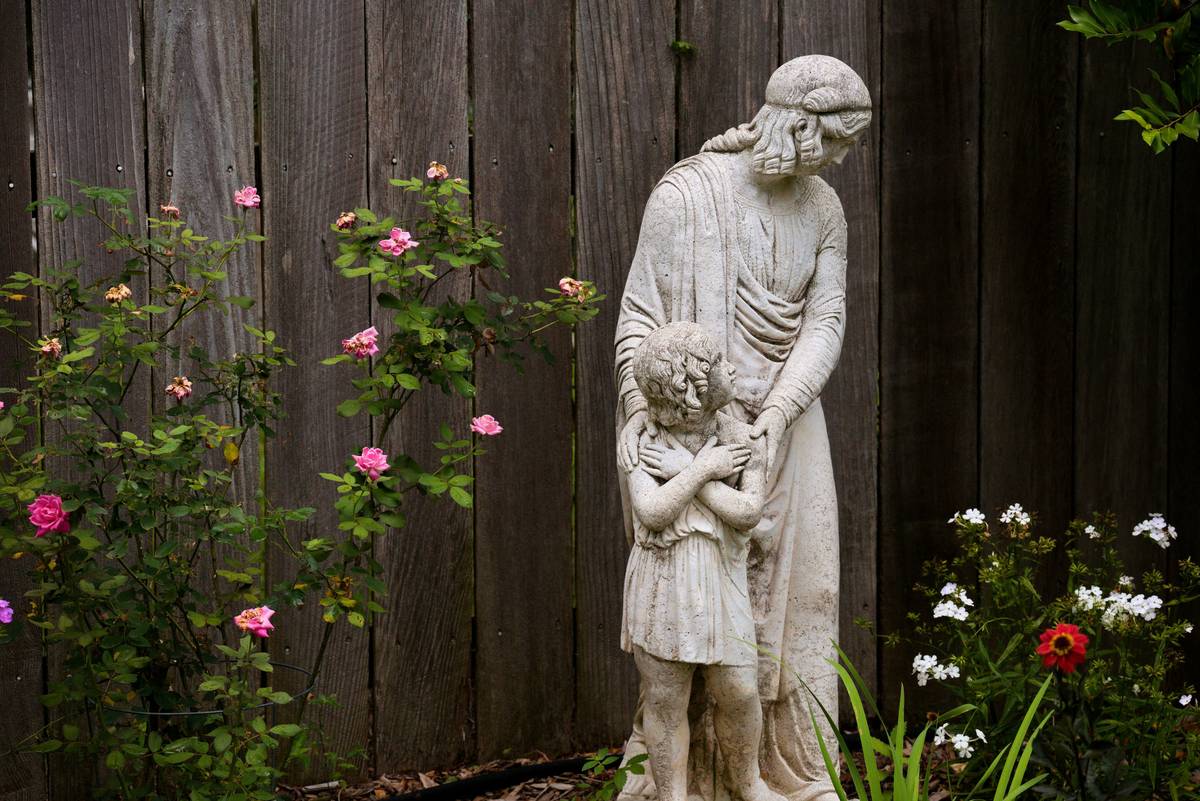
– Cast stone cracked in 60% of freeze-thaw sites but thrived in sheltered courtyards.
– Recycled resin showed zero degradation and actually improved moisture retention in dry spells.
– Aluminum developed minor pitting near acidic mulch but caused no plant damage when elevated on stands.
Key insight: Your way to grow gardens must account for microclimates. A statue that works beside a sunny patio may fail in a shaded, damp corner. Always test one piece before scaling.
FAQs About Garden Statues and Garden Growth
Can garden statues really affect plant health?
Yes—if made of reactive metals or placed where they block sun/airflow. Non-porous, inert materials like quality resin pose minimal risk.
What’s the best statue material for beginners?
UV-stable polyresin. It’s lightweight, affordable, weather-resistant, and won’t alter soil chemistry.
Do I need to move statues when replanting?
Only if roots are crowded. Plan permanent placements during initial bed design—refer to our About Us page to see how our team integrates decor during landscape builds.
How often should I clean garden statues?
Twice yearly: once in early spring (to remove winter grime) and late fall (before covering for winter).
Will painted statues chip and harm plants?
Low-VOC outdoor paints pose little risk if intact. Chips should be sanded and repainted promptly—especially near edibles. Review product safety in our Privacy Policy guidelines for material disclosures.
Conclusion
Your garden statue shouldn’t just look good—it should support your entire way to grow gardens strategy. From material science to placement precision, every choice ripples through your soil, plants, and seasonal joy. Ready to design a statue-enhanced oasis that lasts? Contact us for a personalized consultation—and skip the trial-and-error we endured. Because sometimes, the best garden magic happens when art and earth agree.
Stone dreams, rooted deep—one thoughtful statue at a time.