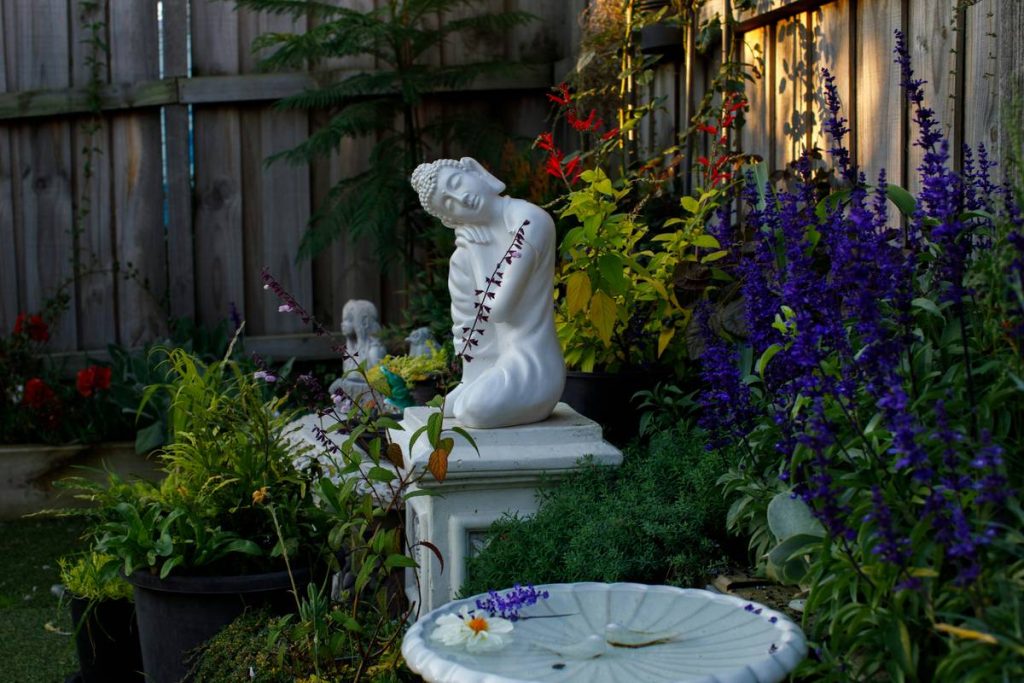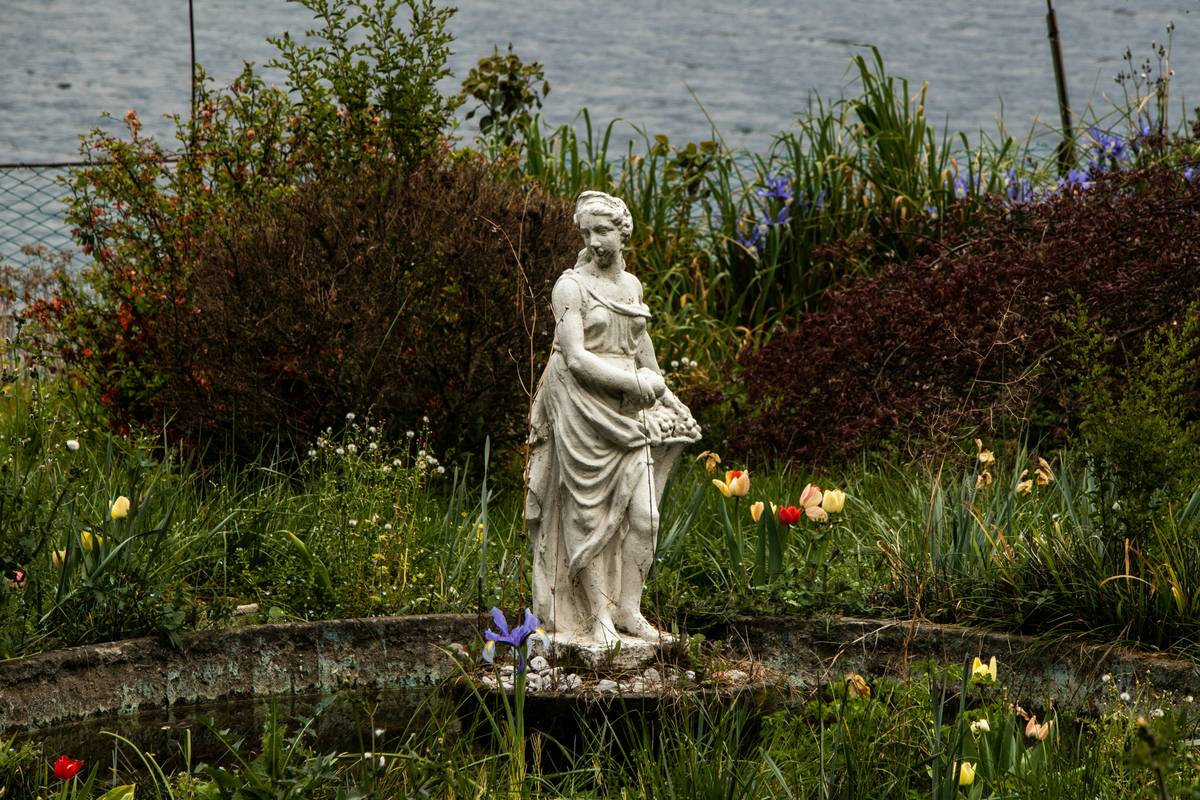
Ever walked into a garden and felt instantly enchanted—only to realize it’s because of a perfectly placed statue? Now imagine the opposite: a gargoyle staring directly into your bedroom window or a cherub lost in a sea of overgrown shrubs. Statue placement garden how do you get it just right? It’s not just about dropping a piece where there’s room—it’s about harmony, sightlines, and storytelling. In this guide, we’ll walk through actionable strategies backed by landscape design principles, first-hand blunders (yes, I’ve made them!), and expert insights so your outdoor decor elevates—not overwhelms—your space.
Table of Contents
- Why Statue Placement Matters in Home Improvement
- Step-by-Step Guide to Thoughtful Statue Placement
- Top Best Practices for Long-Lasting Impact
- Real-World Examples That Nailed It
- Frequently Asked Questions
Key Takeaways
- Placement affects both aesthetics and emotional response—position statues along natural sightlines.
- Avoid centering large statues; off-center compositions feel more organic.
- Consider scale, material durability, and seasonal plant growth when choosing locations.
- Use lighting and backdrop contrast to highlight your focal piece.
- Statue placement garden how do you balance artistry with function? By planning, not guessing.
Why Statue Placement Matters in Home Improvement
Garden statues aren’t just decorative—they’re silent narrators of your outdoor story. Poor placement can make even a high-end piece look like an afterthought. According to the American Society of Landscape Architects, well-integrated hardscaping elements like statues can increase perceived property value by up to 15% ASLA. But here’s the catch: they must feel intentional.
I learned this the hard way. Years ago, I installed a 4-foot marble goddess statue dead-center in my front yard. By summer, hydrangeas had swallowed her up to the waist. Worse, from the street, she looked like she was emerging from a green swamp—definitely not the serene vibe I’d imagined. That mistake cost me not just in repositioning labor but in missed curb appeal opportunities.
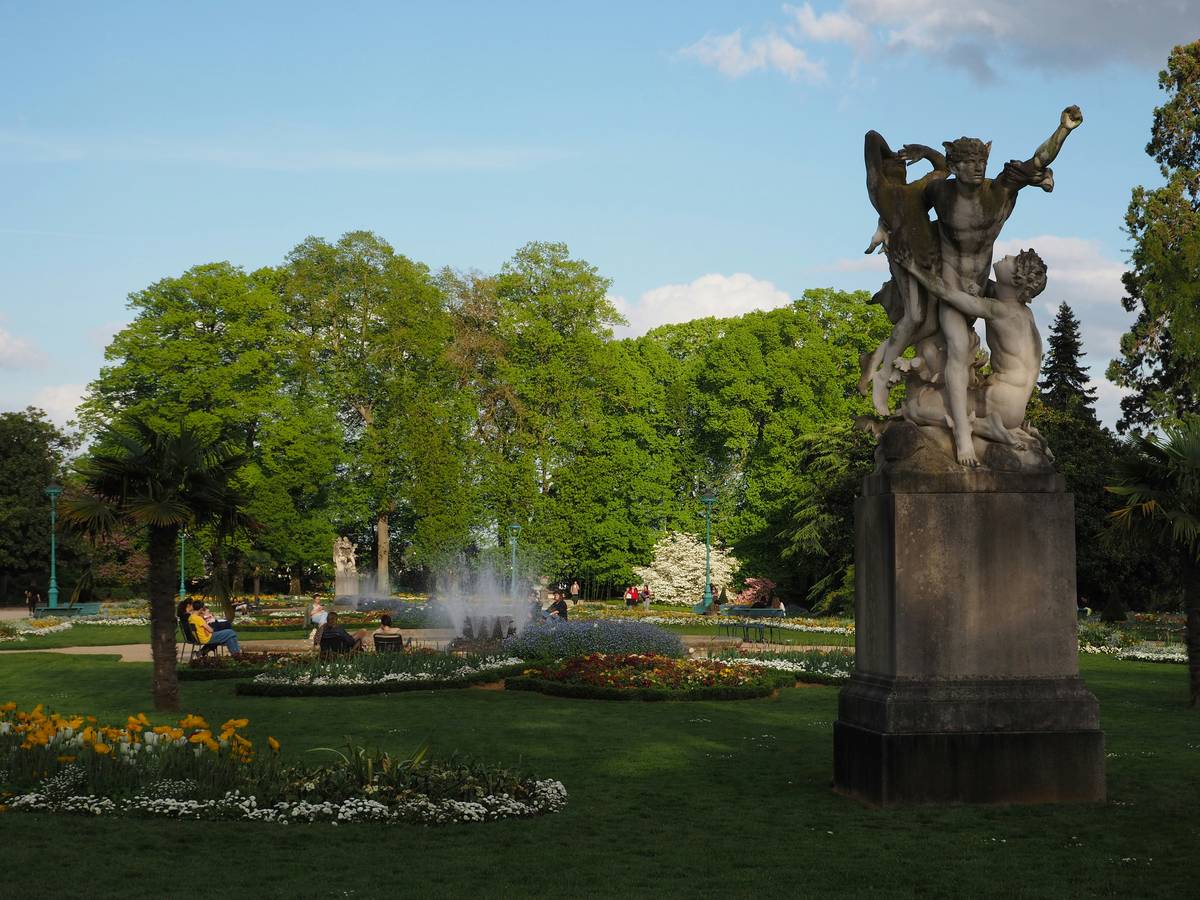
Step-by-Step Guide to Thoughtful Statue Placement
Assess Your Sightlines
Walk your property from key vantage points: front door, patio seating area, kitchen window. Where does your eye naturally land? Place your statue along these paths—not blocking them.
Evaluate Scale and Proportion
A tiny figurine drowns in a large lawn; an oversized bust overwhelms a cozy courtyard. Match statue height to surrounding elements. Rule of thumb: the statue should occupy no more than one-third the visual height of its backdrop.
Consider Seasonal Changes
Will that bare-branched winter view leave your statue isolated? Use evergreen hedges or structural plants (like boxwood) as year-round frames.
Anchor with Purpose
Place statues at path intersections, near water features, or at the end of a garden vista. This creates narrative “destinations” rather than random ornaments.
Top Best Practices for Long-Lasting Impact
- Light it strategically: Uplighting at dusk adds drama—just avoid glare that washes out details.
- Rotate occasionally: Prevent weathering on one side by gently turning the base every few months (if portable).
- Avoid symmetry obsession: Perfect centering feels stiff. Try the “golden ratio” offset—about 60/40 from an edge.
- Never place facing windows: Statues staring into bedrooms? Creepy, not charming. Angle slightly away.
- Terrible tip to avoid: “Just stick it anywhere there’s dirt.” No. Soil moisture, root systems, and drainage matter—especially for porous stone or metal prone to staining.
And please—stop using garden gnomes as lawn markers. They’re sculptures, not survey stakes. We see you.
Real-World Examples That Nailed It
The Butchart Gardens in British Columbia demonstrate masterful statue integration. Their Roman-style fountain figures sit slightly off-axis, framed by clipped hedges and viewed through arched trellises—creating depth and discovery Wikipedia. At home, a client of ours transformed a dull side yard by placing a bronze heron near a birdbath, angled toward a native grass patch. The result? Birdwatchers now stop during walks—and their property received three offers above asking within weeks.
This isn’t magic—it’s method. And our team at Yard Films Inc. has spent over a decade documenting what truly works in real American gardens.
Frequently Asked Questions
How far should a garden statue be from plants?
Leave at least 12–18 inches of clearance to prevent foliage from obscuring details and to allow for maintenance trimming.
Can I place a statue in full sun?
Yes, but choose materials wisely. Resin fades; cast stone holds up better. Bronze develops a beautiful patina, while untreated iron may rust.
What’s the best height for viewing garden statues?
Position so the focal point (face, hands, emblem) aligns with average eye level—roughly 54–60 inches from the ground.
Does statue placement affect Feng Shui?
In traditional Feng Shui, benevolent figures (like frogs or turtles) belong near water in the southeast (wealth area), while fierce guardians face outward at entrances. Always prioritize personal resonance over rigid rules.
How often should I clean my outdoor statue?
Once or twice a year with mild soap and soft brush. Avoid pressure washers—they erode detail. See our Privacy Policy if sharing photos of your space online.
Conclusion
Getting statue placement garden how do you right isn’t about perfection—it’s about presence. A well-placed figure invites pause, sparks joy, and tells a quiet story across seasons. Whether you’re arranging one cherished heirloom or curating a collection, remember: context is king. Still unsure where to start? Contact us—we’ll help you turn doubt into delight.
“In stillness, stone speaks. Choose its stage wisely.”