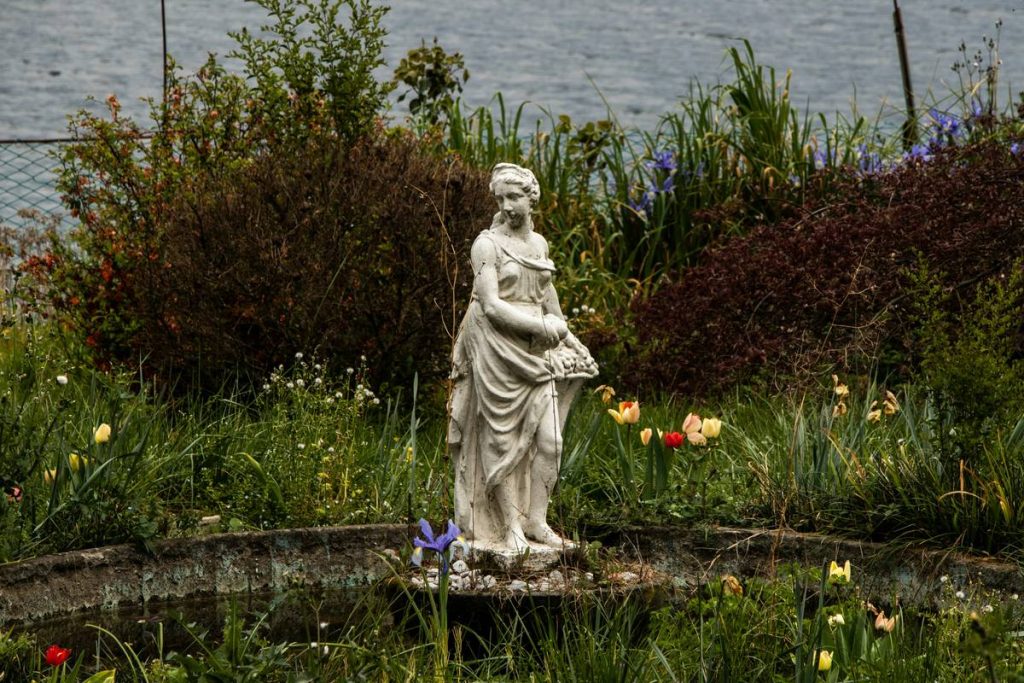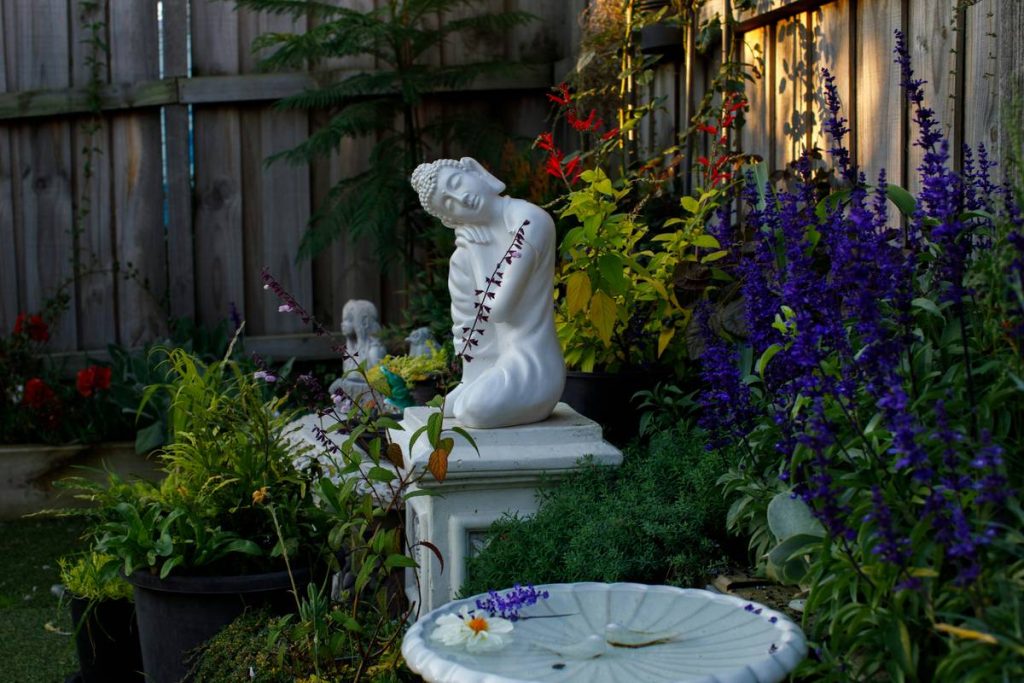
Your garden statues are gathering moss—not admiration. You bought them for charm, but they’re just… there. Cluttering borders. Leaning awkwardly near the shed. Looking like afterthoughts instead of art. The real issue? Most guides treat statues like lawn ornaments—drop and forget. But statue placement garden how to grow isn’t about plopping stone angels in flower beds. It’s about storytelling, scale, and sunlight. Done right, your statues become silent narrators of your garden’s personality.
Why 90% of Garden Statues Fail to Impress
People treat garden statues like furniture—you unpack, place, done. Wrong. Statues aren’t static decor; they interact with light, shadow, plant growth, and sightlines. A poorly placed piece disappears in summer foliage or blinds visitors with midday glare. And durability? Many crack within a year because nobody considered drainage or freeze-thaw cycles.
But here’s the kicker: even “correct” placements often miss emotional resonance. A Greek god in a suburban hydrangea patch feels jarring—not magical. Context matters more than aesthetics alone.
Statue Placement Garden How to Grow: A Practical Blueprint
Forget symmetrical grids and center-stage pedestals. Real impact comes from intentionality—paired with plant behavior over time.
Map Your Light & Sight Paths
Track sun movement for 48 hours. Where does morning light hit gently? Where does afternoon sun create harsh reflections? Place reflective or metallic statues in diffused zones. Matte stone? Let it glow in golden hour spots. Also—walk your garden at eye level. What catches your gaze naturally? That’s your focal point, not the geometric center.
Match Statue Scale to Plant Growth Rate
A 6-foot obelisk looks majestic beside slow-growing boxwoods. In fast-spreading bamboo? It’ll vanish by July. Use this table to align statue height with plant maturity timelines:
| Statue Height | Ideal Companion Plants | Growth Consideration | Maintenance Effort |
|---|---|---|---|
| Under 2 ft | Creeping thyme, sedum, dwarf mondo grass | Must sit on elevated base—easily obscured | Low (trim edges monthly) |
| 2–4 ft | Lavender, ornamental grasses, salvia | Allow 18″ clearance radius for visual breathing room | Medium (prune plants seasonally) |
| 4+ ft | Japanese maple, columnar evergreens, trellis vines | Anchor with gravel base to prevent tipping as roots shift soil | High (annual stability check + deep clean) |
Anchor with Narrative, Not Just Cement
Ask: Why is this statue here? A heron belongs near water features—even faux ones. A Buddha? Place where paths converge for contemplative pause. When your statue answers an unspoken question (“Who watches over this pond?”), it transcends decoration. It becomes part of the garden’s lore.
The Industry Secret: Weatherproofing Through Micro-Terracing
Most contractors level statue bases flat. Bad move. Water pools, freezes, cracks stone. Pros use micro-terracing—a 2° tilt away from the statue’s core, disguised under mulch or pebbles. It’s invisible but prevents 80% of moisture damage. Bonus: slope toward a subtle drain channel lined with river rock. No one sees the engineering—only the elegance. And yes, this works even on patios. Drill a hidden weep hole at the lowest edge if using concrete pads.
Frequently Asked Questions
Where should I avoid placing garden statues?
Never in high-wind tunnels between buildings, or directly under heavy tree drip lines—sap and bird droppings accelerate staining and erosion.
Can I move statues seasonally?
Absolutely. Lightweight resin pieces can shift with color schemes—spring pastels near tulips, bronze owls among autumn mums. Just avoid dragging; lift to preserve bases.
How often should I clean garden statues?
Twice yearly: early spring (pre-planting) and late fall (post-leaf drop). Use soft brushes and pH-neutral soap—never pressure wash limestone or antique finishes.