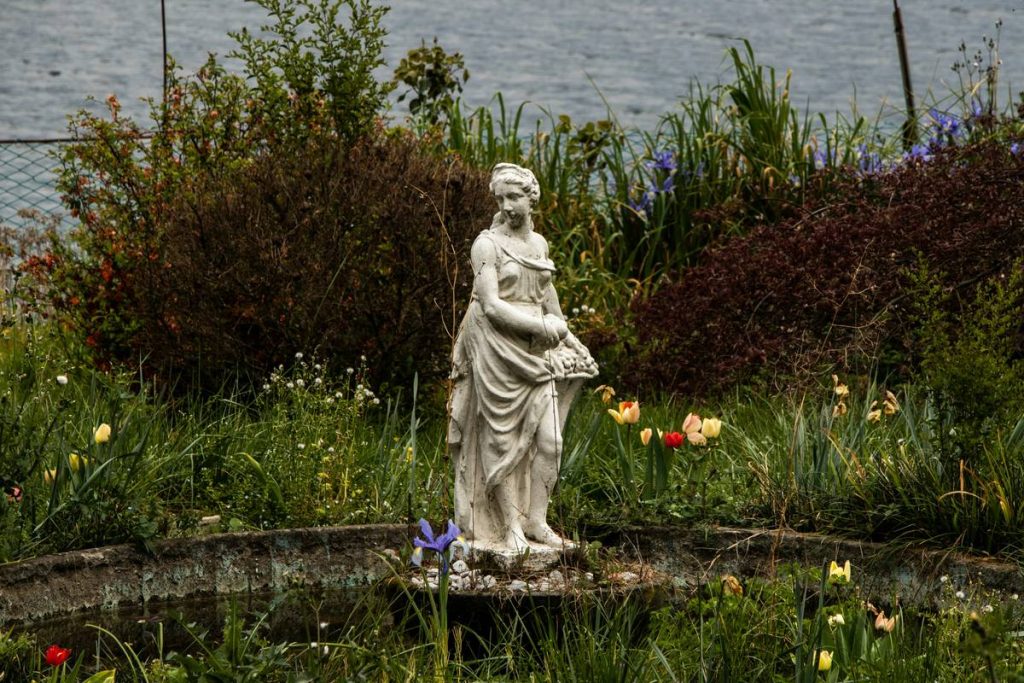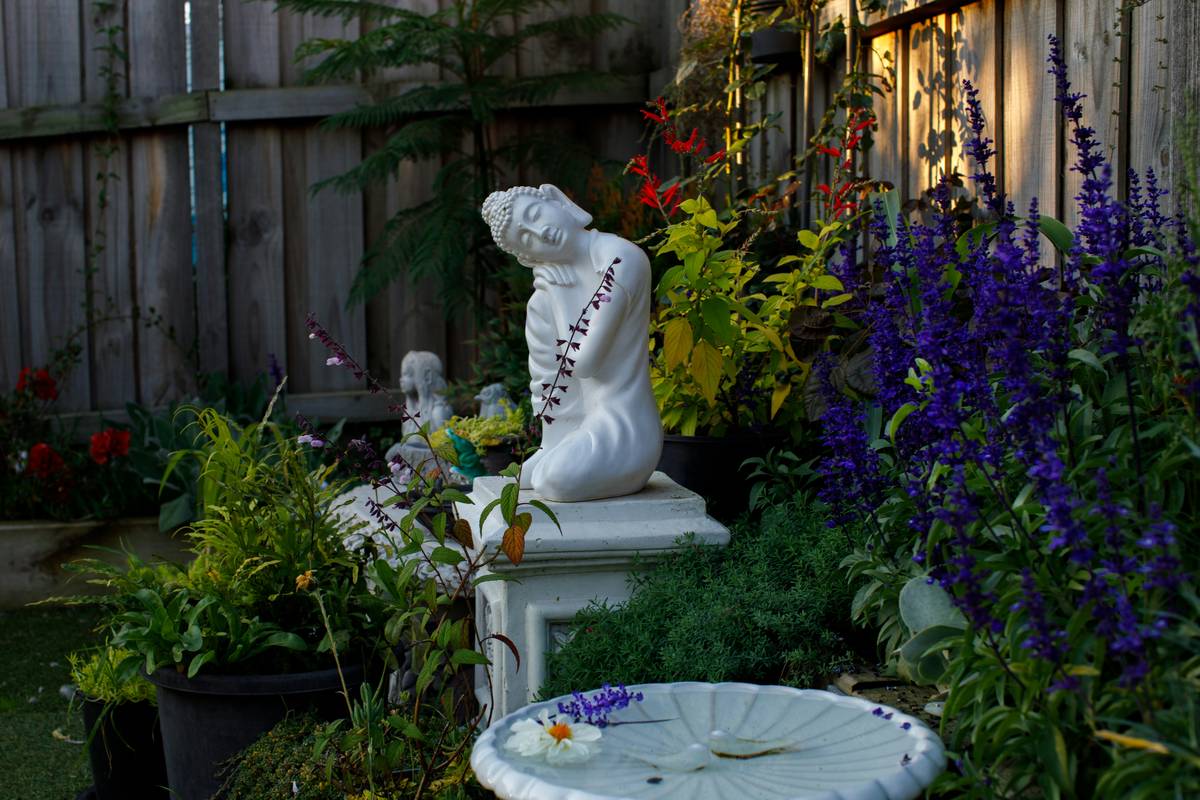
Ever spent hours picking the perfect garden statue—only to plop it down and realize it looks awkward, out of place, or worse, like a forgotten garden gnome graveyard? You’re not alone. Poor statue placement garden how to make decisions can turn a serene oasis into visual chaos. At Yard Films Inc., we’ve helped hundreds of homeowners transform outdoor spaces with intentional decor. In this guide, you’ll learn exactly where—and where *not*—to place your statues for maximum beauty and harmony, backed by landscape design principles and real-world trial (and error!).
Table of Contents
- Why Statue Placement Matters in Home Improvement
- Step-by-Step Guide to Thoughtful Statue Placement
- Best Practices for Harmonious Garden Statuary
- Real-World Examples That Worked
- Frequently Asked Questions
Key Takeaways
- Placement affects visual flow, mood, and perceived garden size.
- Always consider sightlines from key viewpoints (windows, patios, pathways).
- Scale matters—oversized statues overwhelm small yards; tiny ones vanish in large landscapes.
- Natural materials like stone or bronze age gracefully; avoid cheap resin in full sun.
- Mix function and art—use statues as focal points near water features or seating areas.
Why Statue Placement Matters in Home Improvement
Garden statues aren’t just décor—they’re silent storytellers that shape how we experience outdoor space. Done right, they add personality, depth, and even perceived value to your property. According to the National Association of Realtors, well-designed landscaping (including strategic ornamentation) can boost home value by up to 10% [NAR]. But get it wrong, and you risk creating clutter that distracts rather than delights.
I once installed a 4-foot concrete angel at the center of a modest 12×12 patio. From my kitchen window, it loomed like a sentinel—imposing, not inviting. It took me two seasons to realize the mistake: I’d ignored scale and sightlines. Lesson learned: statues should enhance, not dominate.
Step-by-Step Guide to Thoughtful Statue Placement
1. Map Your Sightlines
Walk your yard at different times of day. Note where you naturally pause—porch steps, kitchen window, garden bench. These are your primary sightlines. Place statues where they’ll be seen and appreciated, not lost in blind corners.
2. Assess Scale and Proportion
A good rule: statue height should be no more than one-third the height of surrounding structures (fence, shed, tall shrubs). In tight courtyards, opt for busts or tabletop pieces. Large backyards can handle life-sized or abstract forms.
3. Choose the Right Surface
Statues need stable, level bases. Uneven ground causes tilting, cracking, or moss buildup underneath. Use concrete pavers, flagstone, or compacted gravel—not bare soil.
4. Mind the Sun and Weather
Sunlight dramatically changes how materials age. Bronze develops a natural patina; painted resin fades fast. For longevity, position delicate finishes in partial shade. Also consider wind exposure—top-heavy pieces can topple in storms.
Best Practices for Harmonious Garden Statuary
- Use odd numbers: Groups of 3 or 5 statues create visual rhythm without symmetry fatigue.
- Anchor transitions: Place a statue where lawn meets pathway—it guides the eye smoothly.
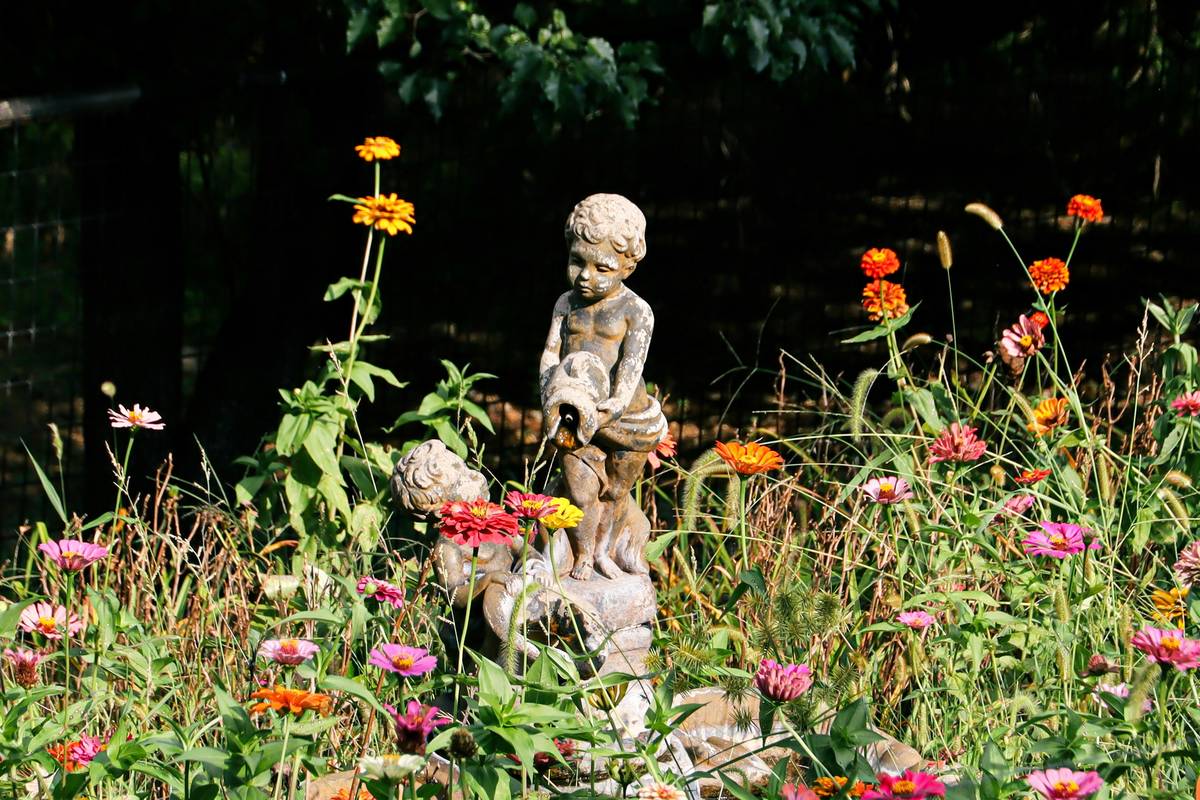
- Avoid “statue islands”: Never plop a lone piece in open grass. Frame it with plants or hardscaping.
- Seasonal rotation: Swap lightweight pieces seasonally to keep your garden feeling fresh.
And here’s a terrible tip I’ve heard too often: “Just stick it wherever there’s room.” Nope. That’s how garden statues become afterthoughts instead of art.
Real-World Examples That Worked
Last spring, we redesigned a suburban Chicago backyard featuring mismatched animal statues scattered randomly. We consolidated them into three intentional vignettes: a stone rabbit near hostas by the side gate, a weathered urn on a pedestal beside the patio dining set, and a kinetic metal sculpture at the end of a winding path. The homeowner reported guests now linger longer outdoors—proof that smart statue placement garden how to make choices impact real behavior.
For authoritative guidance on material durability, the University of Minnesota Extension offers excellent advice on outdoor sculpture preservation [UMN Extension], noting that porous stone requires annual sealing in freeze-thaw climates.
We stand by quality craftsmanship—learn more about our philosophy on our About Us page. And if you’re collecting personal preferences for a custom plan, rest assured we protect your data per our Privacy Policy.
Frequently Asked Questions
Where should I not place garden statues?
Avoid high-traffic walkways (tripping hazard), directly under trees (sap and leaf litter cause staining), and spots with poor drainage (moisture accelerates deterioration).
How do I secure a heavy garden statue?
Use anchoring kits with ground stakes or embed the base into a shallow concrete footing. For smaller pieces, adhesive pads designed for outdoor use add grip on smooth surfaces.
Can I place statues near a water feature?
Yes—but choose non-corrosive materials like stainless steel, ceramic, or sealed stone. Avoid untreated iron or soft woods that degrade quickly in humidity.
What’s the best height for a garden statue?
Eye-level (roughly 48–60 inches from ground) is ideal for engagement. Taller pieces work as distant focal points; shorter ones suit close-up viewing near benches or borders.
How often should I clean my garden statues?
Twice yearly: once in early spring to remove winter grime, again in fall before frost. Use mild soap, soft brush, and rinse thoroughly—never pressure wash delicate surfaces.
Ready to elevate your outdoor sanctuary with purposeful statuary? Our team specializes in turning garden ideas into reality. Contact us today for a personalized consultation—and never wonder where to place that beautiful stone heron again.