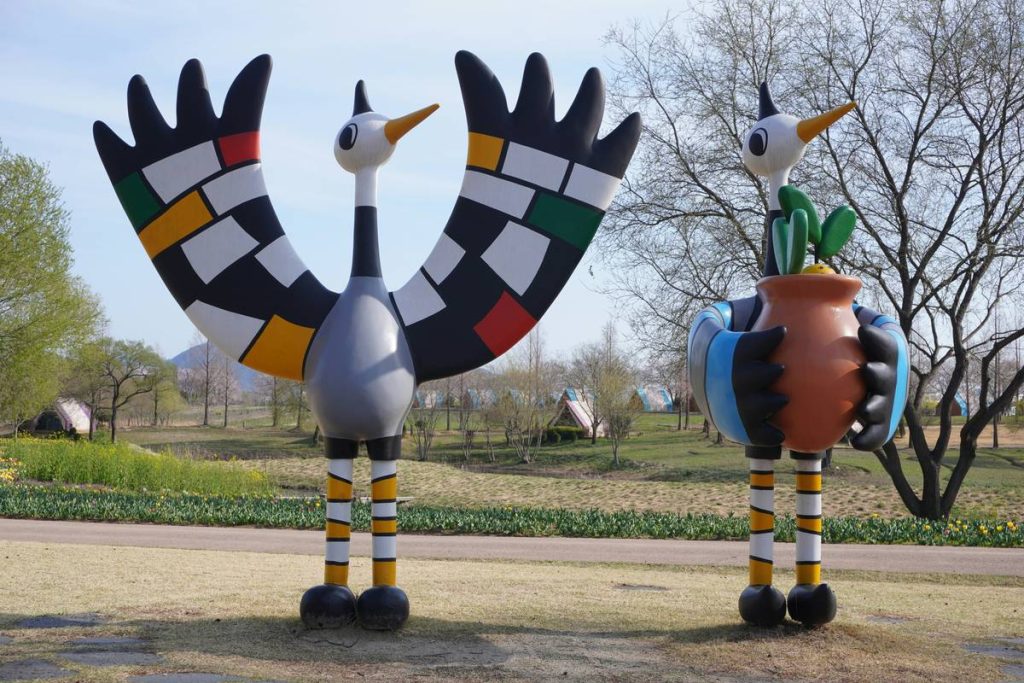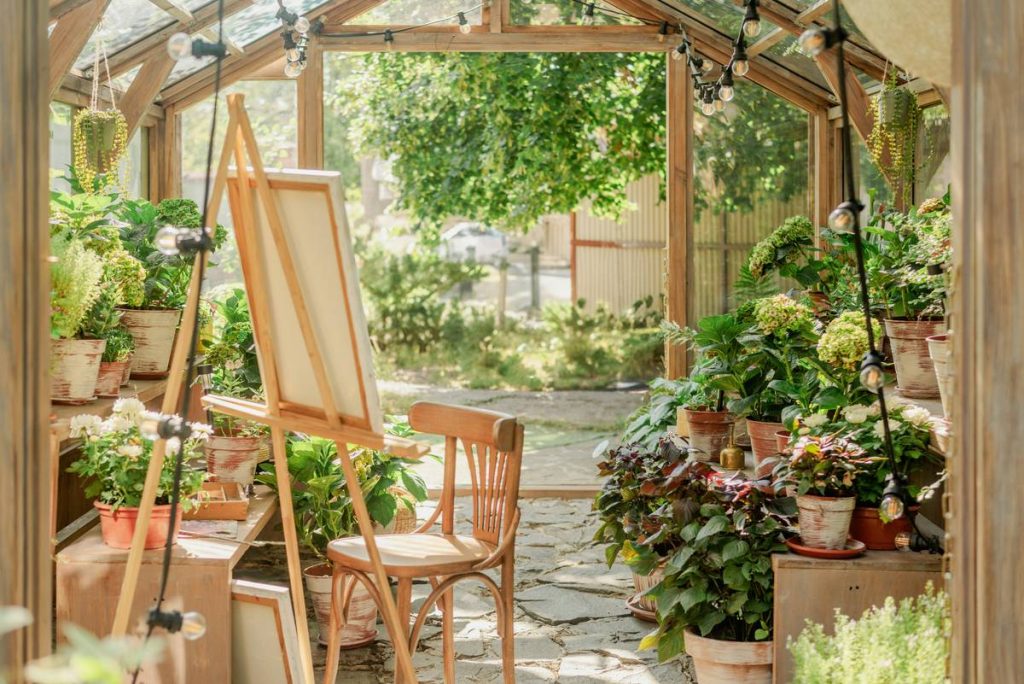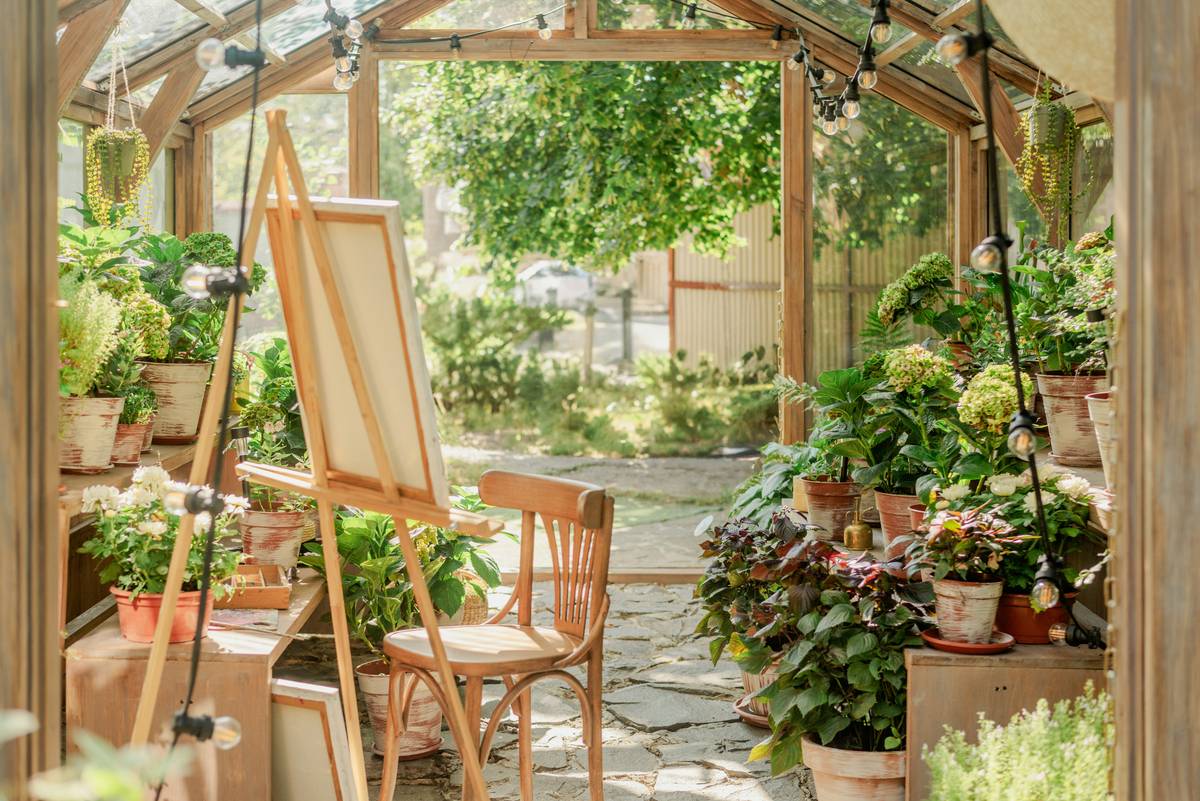
You spent hours picking the perfect perennials—only to realize your yard still feels soulless. That empty corner by the birdbath? It’s not missing mulch. It’s missing personality. Most “garden statue ideas” online are recycled Pinterest fluff: cherubs, frogs, or worse—plastic flamingos that scream 1973. Here’s the truth: a great garden statue isn’t just decor. It’s a silent storyteller. And we’ve got real-world ideas that blend artistry, durability, and surprise—without melting in July or cracking by October.
Why 90% of Garden Statue Ideas Fail Within a Season
People buy statues based on looks alone. Big mistake. Concrete cracks when it freezes. Resin fades faster than cheap patio paint. And metal? Unless it’s properly sealed, rust creeps in like uninvited ivy. But the deeper issue isn’t material—it’s mismatched context. A towering Greek god looks absurd next to a dwarf hydrangea. A cartoonish squirrel drowns in a minimalist Zen gravel bed. Scale, style, and substance must align—or your “statement piece” becomes visual noise.
How to Choose & Place Garden Statues That Last (And Impress)
Forget random placement. Every statue should earn its spot. Think of it like furniture in a living room—nothing just “goes there.” Follow this framework:
Match Material to Your Climate
Live where winters drop below freezing? Avoid standard concrete—it expands and fractures. Coastal air? Skip untreated iron; salt eats it alive. Dry desert heat? UV-resistant resin or bronze wins. Know your zone before you buy.
Pick Proportions That Respect Plant Growth
A 4-foot statue beside newly planted hostas looks comical now—but in three years, those hostas may tower over it. Measure your mature plant heights first. Rule of thumb: statues should sit at eye level when viewed from your main seating area—not lost in foliage, not looming like a sentinel.
Create Narrative Through Placement
Don’t plop one lonely figure in the center. Groupings work better. Try a trio of birds “landing” near a feeder. Or a weathered lantern “held” by a stone hand peeking from ferns. The best garden statue ideas suggest motion, mystery, or memory.

| Material | Best For | Lifespan (Avg.) | Price Range | Maintenance Tip |
|---|---|---|---|---|
| Bronze | Cold climates, high-end gardens | 50+ years | $$$–$$$$ | Wipe with soft cloth; let patina develop naturally |
| Fiberstone | Humid or rainy zones | 15–20 years | $$–$$$ | Seal annually to prevent moss buildup |
| Cast Aluminum | Coastal or sunny areas | 20–30 years | $$–$$$$ | Rinse with fresh water monthly near ocean |
| Recycled Glass Composite | Modern drought-tolerant gardens | 10–15 years | $–$$ | Avoid sharp impacts—they can chip |

The Industry Secret: Statues as Functional Anchors
Here’s what big-box retailers won’t tell you: the most compelling garden statue ideas pull double duty. A hollow stone frog? Perfect hiding spot for a wireless speaker. A tall obelisk with internal channels? Ideal for routing low-voltage string lights. One landscape architect I spoke with embeds tiny solar LEDs into mushroom caps—creating soft path markers that look organic by day and magical by night. And forget gazing balls. Try repurposing vintage brass telescope mounts as kinetic wind sculptures. Function disguised as art—that’s how you make neighbors pause mid-stride.
FAQ: Real Questions About Garden Statue Ideas
Do garden statues increase home value?
No—but curated, high-quality pieces can boost curb appeal during showings, especially in established neighborhoods where outdoor aesthetics matter.
How do I keep birds from perching on my garden statue?
Apply a non-toxic, clear bird repellent gel to shoulders or heads. Or choose smooth, sloped surfaces—birds avoid unstable landing spots.
Can I leave resin statues outside all winter?
Only if rated for freezing temps. Most aren’t. Store them in a dry garage or cover with breathable fabric—never plastic, which traps moisture.