You bought a beautiful garden statue. Placed it proudly by your hydrangeas. Six months later—it’s cracked, fading, or worse, covered in mold that won’t wash off. You assumed any outdoor decor would “just work.” But not all materials play nice with sun, rain, and soil biology. The real issue? Most guides ignore how living ecosystems interact with static objects. Here’s the fix: choosing—and maintaining—statue materials that actually thrive alongside your plants.
Why Your Garden Statue Keeps Deteriorating
Concrete statues crack in freeze-thaw cycles. Resin yellows under UV exposure. Even bronze develops unsightly green patina if you don’t want it. But here’s what no one tells you: the problem isn’t just weather—it’s microbiology. Algae, lichen, and fungi don’t just sit on surfaces. They colonize them. Especially when moisture lingers. And porous materials like unsealed stone or low-grade concrete are basically welcome mats.
And if you’ve ever tried power-washing a delicate ceramic frog? Good luck reassembling it.
garden statue material how to grow: A Step-by-Step Selection & Care Guide
Pick the right base. Treat it smart. Let nature enhance—not erase—it.
Match Material Porosity to Your Climate
Dry, sunny regions? High-porosity materials like terra cotta can work—if sealed annually. Humid zones? Go non-porous: fiberglass, marine-grade resin, or powder-coated metal. Think about it: water absorption = microbial real estate.
Pre-Treat Before First Placement
Never install bare stone or concrete outdoors. Apply a silane-siloxane sealer—it penetrates deep without trapping moisture (unlike topical sealants). One coat. Wait 72 hours. Then place.
Encourage Beneficial Growth (Yes, Really)
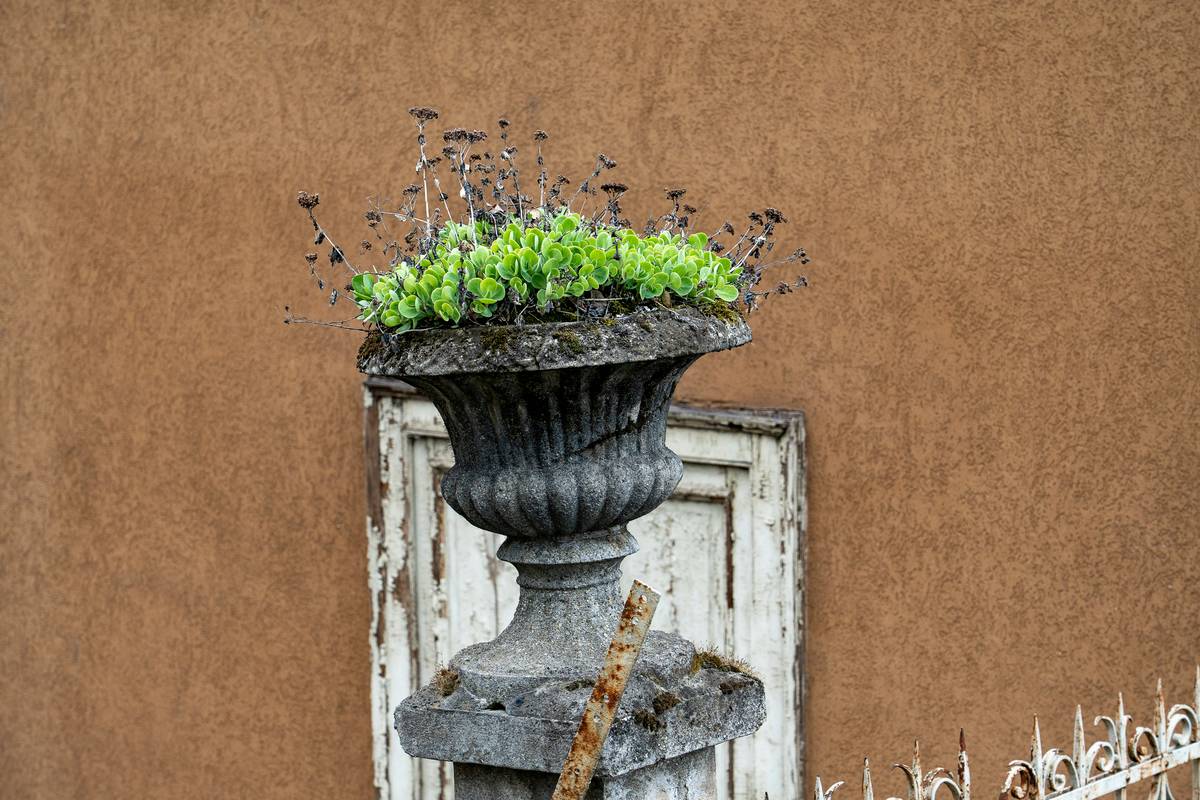
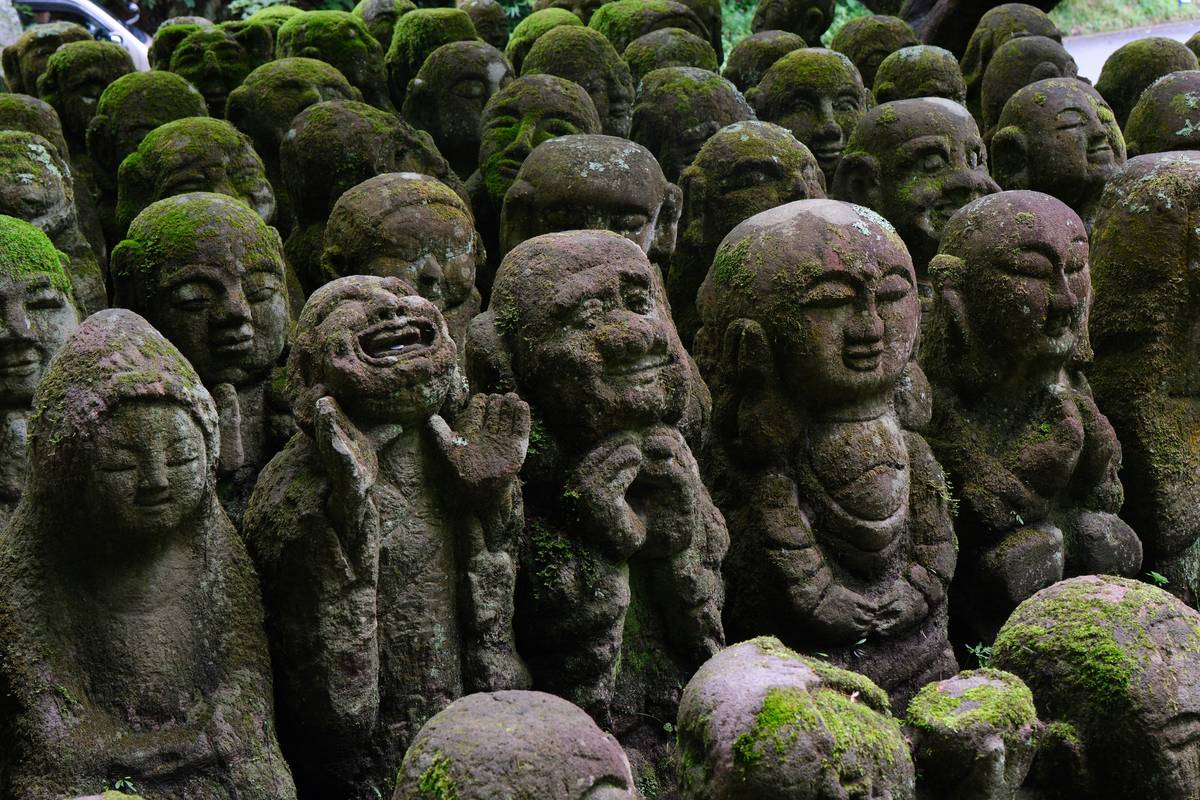
Want moss to soften harsh edges over time? Use slightly acidic materials like untreated limestone in shaded, moist corners. Avoid copper near acid-loving plants—it leaches toxins. The goal isn’t sterility. It’s harmony.
| Material | Longevity (Unprotected) | Ideal Climate | Maintenance Frequency | Cost (per sq ft equivalent) |
|---|---|---|---|---|
| Cast Stone | 2–4 years | Arid to temperate | Annual sealing | $25–$45 |
| Fiberglass-Reinforced Resin | 8–12 years | All (UV-stable grades) | Biannual rinse only | $30–$60 |
| Weathering Steel (Corten) | 20+ years | Temperate, low-salt air | None after patina forms | $70–$110 |
| Hand-Cast Bronze | 50+ years | All (patina optional) | Optional waxing every 3 yrs | $200–$500 |
The Industry Secret: Let Your Statue Become Part of the Soil Food Web
Top landscape designers don’t fight biological growth—they curate it. Place a slightly rough-textured limestone statue near compost bins or under oak trees. The calcium carbonate buffers acidity, while decomposing leaves feed microbes that gently etch organic patterns into the surface. Within two seasons, your statue isn’t just decor—it’s a micro-habitat. Birds perch. Beetles nest. Pollinators pause. This isn’t decay. It’s co-evolution. And it only works with the right mineral base. Skip the glossy finishes. Embrace subtle transformation.
Frequently Asked Questions
Can I grow moss intentionally on my garden statue?
Yes—if it’s made of porous stone or unglazed ceramic. Keep it in shade, mist weekly, and avoid chemical cleaners. Acidic environments speed colonization.
Does resin garden decor last as long as stone?
High-quality, UV-stabilized resin lasts longer than untreated stone in humid climates—because it doesn’t absorb water or support microbial growth.
How often should I reseal concrete statues?
Once per year in rainy zones; every two years in dry areas. Use penetrating sealers only—never film-forming types that peel.